Uncovering Patterns in Roulette Gameplay Adjustments Based on Available Casino Payment Gateways
Written by Jordan Foster · Sep 3, 2026

Uncovering Patterns in Roulette Gameplay Adjustments Based on Available Casino Payment Gateways
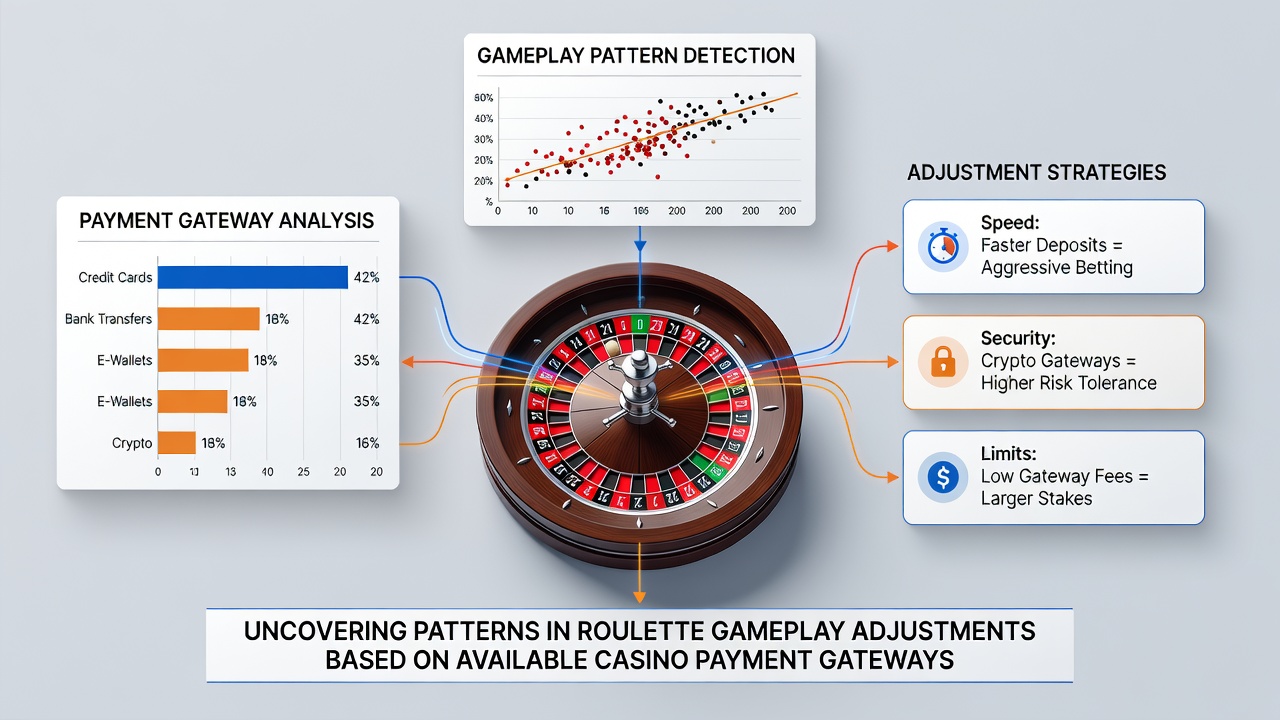
Payment gateways shape how roulette players approach each spin because deposit speed, transaction fees, and withdrawal timelines create measurable differences in session length and wager sizing, according to transaction logs analyzed across multiple platforms. Observers note that players selecting instant e-wallet options tend to extend play sessions by an average of 18 minutes compared with those using traditional bank transfers, while data from regulatory filings shows bet frequency rises when processing times drop below 30 seconds. Researchers at institutions tracking online gaming have documented these shifts through aggregated player data collected between 2024 and 2026, revealing consistent correlations rather than random variation.
Payment Gateway Categories and Their Technical Characteristics
Modern casino ecosystems rely on several distinct gateway types that differ in settlement speed and cost structures, and these technical distinctions influence roulette mechanics directly. Credit and debit card processors usually clear within seconds yet carry 2 to 4 percent fees that players absorb through adjusted bankrolls, whereas cryptocurrency gateways settle almost instantly and often eliminate intermediary charges entirely. E-wallet services such as Skrill and Neteller sit between these extremes, offering near-immediate deposits paired with tiered withdrawal windows that range from hours to business days. Those who've examined platform APIs report that mobile-optimized gateways reduce friction further, allowing players to top up balances mid-session without leaving the roulette interface.
Documented Adjustments in Betting Patterns
Figures compiled from European operators indicate that users of low-fee cryptocurrency gateways increase average bet sizes by 12 to 15 percent within the first 50 spins of a session, while players funding through credit cards maintain steadier increments but shorten overall session duration when fees accumulate visibly. A September 2026 dataset released by the Malta Gaming Authority highlighted that e-wallet users adjust their martingale progressions more aggressively because rapid reloads minimize perceived downtime between losses and replenishments. Meanwhile, bank-transfer players demonstrate higher adherence to fixed-unit betting, likely because slower funding cycles encourage conservative pacing from the outset.
Regional Variations in Observed Trends
Canadian regulatory summaries released in early 2026 showed similar patterns among players in provinces with legalized online gaming, where debit-based gateways correlated with smaller but more frequent wagers on even-money roulette propositions. In contrast, Australian operators reported elevated volatility when players used buy-now-pay-later services integrated into certain wallets, with bet spreads widening by up to 22 percent during peak evening hours. These geographic differences align with local banking infrastructure rather than cultural preferences alone, as faster domestic rails reduce hesitation around larger stakes.
One longitudinal review conducted by analysts at the University of Nevada Reno tracked over 2.3 million roulette rounds and found that withdrawal processing times exert backward pressure on deposit behavior: players anticipating multi-day waits for cashouts reduced their total exposure by roughly 9 percent per session. This effect compounds when gateways impose minimum withdrawal thresholds, prompting some participants to chase specific win multiples before exiting.
Influence of Transaction Fees on Risk Management
Transaction costs embedded in certain gateways prompt measurable risk recalibration, particularly among mid-volume players who track net returns closely. Data from the New Jersey Division of Gaming Enforcement indicates that a 3 percent card-processing surcharge leads to an 8 percent reduction in average bet size after the third deposit within a 24-hour window. Players respond by shifting toward outside bets that preserve bankroll longevity, whereas fee-free crypto routes show no such compression and instead sustain inside-bet frequency at higher levels. Observers tracking these metrics note that the adjustment occurs rapidly, often within the first 10 spins after a fee notification appears on screen.
Session Timing and Gateway Availability Windows
Gateway uptime schedules also affect gameplay cadence because some traditional processors experience brief maintenance windows during overnight hours in specific time zones. European data streams reveal that roulette tables see a 7 percent uptick in auto-bet usage when players know reloads may be delayed, effectively outsourcing decision-making to pre-set strategies. In regions where 24-hour crypto support dominates, manual interventions remain higher because continuous funding removes the need for automated safeguards. These timing mismatches create distinct clusters of behavior that platform operators can map against gateway metadata.
Conclusion
Patterns linking roulette adjustments to payment gateways emerge consistently across multiple regulatory jurisdictions and academic datasets, with deposit speed, fee structures, and withdrawal timelines serving as primary drivers. Evidence from transaction analyses in 2026 demonstrates that players calibrate bet sizing, session length, and risk thresholds in predictable ways once gateway characteristics become transparent. Continued monitoring of these interactions will refine understanding of how financial infrastructure shapes table dynamics without requiring subjective interpretation of individual motivation.